Why AI Massage Chairs Are Becoming the New Smart Home Essential in 2026
Imagine walking through your front door after a long day and having a system that understands your physical fatigue better than you do. As the 2026 unfolds halfway, smart homes now value personal well-being through hardware that adapts in real-time.
The reality is: modern living demands tools that reduce daily tension while fitting seamlessly into a digital ecosystem. You no longer need to schedule appointments or leave your house for relaxation. Instead, intelligent seating brings advanced relief directly to your living room.
The landscape of the modern home has changed a lot. We no longer view smart devices as mere novelties. We see them as vital components of a functional life. In 2026, the rise of artificial intelligence has moved beyond phones and speakers into the very furniture we use to rest.
The AI massage chair actually represents this shift. It combines robotics, biometric sensors and machine learning to provide a personalized experience that previous generations of furniture can never match. This evaluation makes these chairs a staple for anyone building a modern residence.
The Shift Toward Proactive Personal Wellness
In earlier years, people viewed mechanical chairs as bulky items that simply vibrated. Today, the story differs entirely. Modern units use body scanning technology to map the unique curvature of your spine and the specific width of your shoulders.
This ensures that every moment hits the right spots without manual adjustment. Users now seek to manage daily physical stress before it becomes a larger issue. By integrating these units into the home, individuals take a proactive stance on their physical state.
Active voice defines how these machines can operate. They don’t just sit there; they scan, they analyze, and execute complex sequences designed to mimic human touch. Because the software updates regularly, the chair you buy today performs better six months from now.
It learns which programs you prefer at certain times of the day, creating a routine that supports your lifestyle. This level of customization explains why households now view these chairs as essential equipment rather than optional accessories.
Seamless Integration into the Smart Home Ecosystem
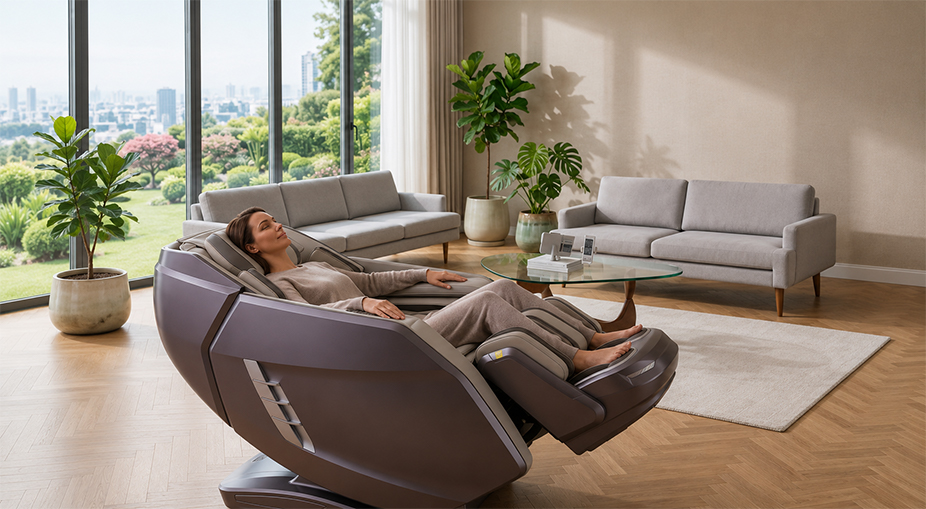
Connectivity drives the 2026 home. Your lighting, temperature, and audio systems work together to create an environment. The AI massage chair acts as a central hub for this relaxation experience. Through voice commands or mobile apps, you can sync your chair with your smart blinds and ambient sounds.
When the chair starts its sequence, the lights dim, and soft music begins to play. This synchronization turns a piece of furniture into an immersive escape from the outside world. Manufacturers prioritize compatibility.
These units connect to wearable devices to gather data about your activity levels throughout the day. If your watch detects that you walked ten miles or sat at a desk for eight hours, it sends that information to the chair.
The chair then suggests a specific routine to address the likely tension in your legs or lower back. This data-driven approach removes the guesswork from relaxation, making the process efficient and effective for busy professionals.
Advancements in Robotic Precision and Material Science
The hardware inside these chairs has reached a level of sophistication that mirrors high-end industrial robotics. Small, agile rollers move in multiple dimensions, allowing for deep tissue pressure that feels fluid rather than mechanical.
Sensors detect muscle density and adjust the force accordingly. This means the chair provides a firm touch where you have knots and a lighter touch on more sensitive areas. The precision involved ensures that the user remains comfortable throughout the entire session.
Beyond the mechanics, the materials used in 2026 models tend to reflect a commitment to durability and comfort. Synthetic leathers and breathable fabrics allow for heat therapy to penetrate effectively.
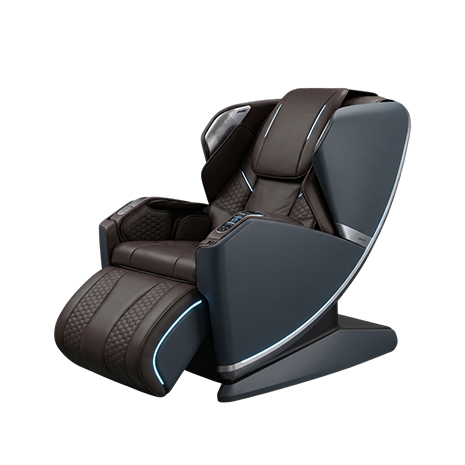
Many units now include carbon fiber heating elements that tend to warm up rapidly, assisting the mechanical rollers in loosening tight areas. The aesthetic design has also evolved; these chairs now feature sleek profiles and neutral colors that complement modern interior design trends, allowing them to fit into any room without disrupting the visual flow.
Efficiency and Time Management for the Modern Professional
Time remains as a prominent valuable resource in 2026. Traditional methods of seeking relaxation often require travel and waiting periods. An AI massage chair eliminates all these hurdles. Having the ability to access high-quality physical relief at 11:00 PM or 6: 00 AM provides a level of freedom that traditional services cannot offer.
This convenience factor significantly boosts the value of the device. When you achieve a refreshed state in fifteen minutes without leaving your bedroom, the chair pays for itself through time saved.
Furthermore, the active use of these chairs helps maintain a consistent level of physical readiness. Rather than waiting for a weekend to address back strain, users can manage their condition daily.
This consistency prevents the buildup of chronic stiffness that often hinders productivity. Professionals find that a quick session between virtual meetings helps clear the mind and resets the posture. This results in a better focus and sustained energy throughout the workday.
Sustainability and Longevity in Household Assets
Consumers today look for products that last. The 2026 generation of AI massage chairs feature modular designs. If a specific component requires an update or a minor fix, owners can often swap parts without the need to replace the entire unit.
This approach reduces waste and ensures the chair remains a functional part of the home for many years. Software-as-a-Service models also allow users to download new massage techniques and routines, keeping the experience fresh and aligned with the latest findings in physical science.
The energy efficiency of these units has also seen major improvements. They consume minimal power while in standby mode and use optimized motors that draw only what is necessary during operation. For a society focused on reducing its environment footprint, these chairs represent a responsible choice.
You get the benefits of advanced technology while maintaining an eco-conscious household. This balance of utility and responsibility makes the AI chair an attractive option for the modern buyer.
Creating a Sanctuary in an Unpredictable World
The home has become more than just a place to sleep; it is a sanctuary. As remote work and digital interaction remain prevalent, the boundaries between professional and personal life often blur.
Creating a physical space dedicated to disconnection is vital. The AI massage chair serves as a physical anchor for this purpose. When you sit down, you signal to your brain that the workday has ended. This psychological transition is just as important as the physical relief the chair provides.
By spending in this technology, you are valuing your long-term well-being and the quality of your home life. The chair becomes a shared asset for the family, accommodating different body types and preferences with ease.
It supports a lifestyle where comfort is not an afterthought but a foundational element. As we move further into 2026, the presence of an AI massage chair in the home identifies a space that is truly smart; one that understands and responds to the needs of its inhabitants.
Conclusion: The Future of the Intelligent Home
The transition of AI massage chairs from niche products to household essentials is complete. They tend to offer a unique combination of robotic precision, biometric feedback, and smart home integration.
By addressing physical tension with an active, data-driven approach, these chairs can provide a level of support that traditional furniture cannot match. They can save time, enhance the home environment, and adapt to the specific needs of every user.
In 2026, a truly smart home is incomplete without a system that helps its residents stay physically prepared for the challenges of a fast-paced world. This is not just a seat; it is a commitment to a better way of living.