AI Massage Chairs and Smart Homes: The Future of Connected Comfort
The modern household is undergoing a massive transformation where every device communicates to enhance your daily life. As 2026 progresses, the dream of a fully responsive living space is finally a reality, with automated comfort dominating the way.
You no longer have to manually adjust your environment to find relief after a demanding day. Instead, your home anticipates your physical needs, syncing your surroundings with your body’s signals. This is the new standard for a truly connected and efficient lifestyle.
The integration of artificial intelligence into home furniture has moved past simple automation. We are now seeing the rise of a holistic ecosystem where your seating understands your schedule, your activity levels, and even your stress triggers.
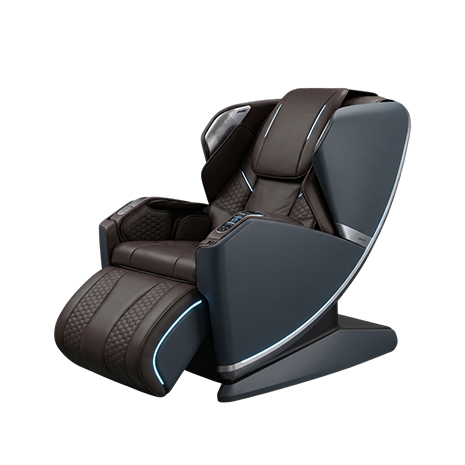
The AI massage chair is the centerpiece of this evolution. It serves as more than just a place to sit; it acts as a sophisticated data hub that prioritizes your physical readiness. By connecting these units to the broader smart home network, manufacturers have created an experience that feels fluid and intuitive.
In 2026, the value of a smart home is measured by how well it supports the people living inside it. High-tech sensors and cloud-based software allow these chairs to provide a level of precision that was previously impossible.
When you bring one of these units into your residence, you are adding a layer of intelligence that coordinates with your lighting, climate control, and digital assistants. This synergy ensures that your time spent at home is as restorative as possible, making the "connected comfort" movement an essential part of contemporary urban living.
The Brain of the Home: How AI Orchestrates Relaxation
A connected chair doesn’t work in isolation. It functions as a primary node in your home network. Through high-speed wireless protocols, the chair communicates with your central smart hub to prepare the ideal environment.
As you initiate a session, the chair signals the room to adjust. The blinds lower to reduce glare, the regulator shifts to a cozy temperature, and your audio system plays a curated selection of ambient sounds.
This automated orchestration removes the friction of manual setup, allowing you to sink into a state of rest immediately. The active software with these chairs utilizes machine learning to refine its performance.
It tracks which routines you select after specific activities. For instance, if you spend the afternoon working in the garden, the chair recognizes the pattern of your physical exertion through your wearable device and automatically suggests a lower-back and leg-focused sequence.
This predictive capability is what defines the 2026 experience. The technology works for you, identifying the ultimate path to physical relief without requiring you to navigate complex menus or settings.
Biometric Synergy and Wearable Integration
One significant advancements in 2026 is the seamless link between personal wearables and home furniture. Your smart watch or fitness ring collects data throughout the day, monitoring heart rate, step counts, and even sleep quality.
When you enter the proximity of your AI massage chair, this data syncs immediately. This chair analyzes your day’s movement and tailor its mechanical pressure to address the specific areas of your body that need it.
This data-driven approach ensures that every session is unique. If your biometric data indicates elevated stress levels, the chair might opt for a slower, rhythmic air compression sequence to help calm your nervous system.
Conversely, if the data shows a sedentary day at a desk, the chair focuses on spinal alignment and shoulder mobility. By using real-time information, the system provides a functional benefit that goes far beyond simple vibration. It becomes a responsive tool that adapts to the fluid nature of your daily life.
The Evolution of Robotic Precision
The mechanical systems inside these chairs have reached a level of sophistication that rivals high-end precision engineering. Modern rollers move on multiple axes, allowing them to reach deep into muscle tissue with fluid, human-like motion.
Sensors embedded within the upholstery detect muscle density and tension, allowing the AI to adjust the force of the rollers in real-time. This ensures that the pressure is never too light to be effective or too firm to be uncomfortable.
Manufacturers now use advanced materials that facilitate better thermal distribution. Carbon fiber heating elements are integrated into the backrest and footrest, warming up in seconds to help loosen tight muscles before the mechanical work begins.
This combination of heat and robotic precision creates a comprehensive experience. Because the chair is connected to the cloud, it can download new massage styles and techniques as they are developed, ensuring that your hardware stays at the forefront of physical science without requiring a new purchase.
Space Efficiency and Aesthetic Harmony
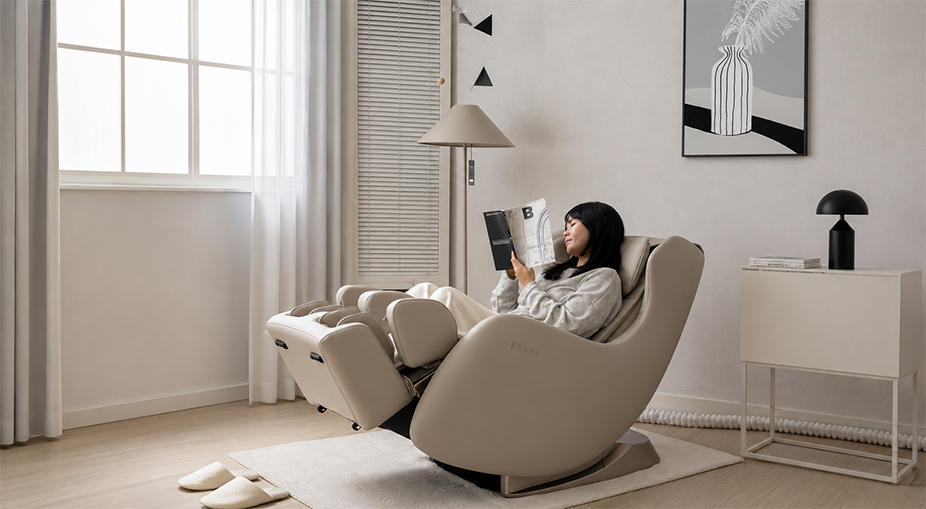
In 2026, home design values both form and function. Many people live in urban environments where floor space is a valuable resource. To address this, modern AI chairs feature incredibly efficient designs. Zero-gravity and zero-wall technologies allow these units to recline fully while sitting only a few inches from the wall.
This makes it possible to include a high-performance relaxation system even in smaller apartments or home offices. Aesthetically, the chairs have transitioned away from the bulky, plastic-heavy looks of the past. Designers now use high-quality synthetic leathers, brushed metals, and wood accents that complement modern interiors.
The chair is designed to look like a piece of high-end furniture rather than a piece of medical equipment. This allows it to sit naturally in a living room or bedroom, enhancing the room's visual appeal while providing its advanced functionality. The ability to hide the mechanical components within a sleek, attractive frame is a hallmark of 2026 design.
Sustainability and the Long-Term
As consumers become more environmentally conscious, the focus has shifted toward durable, repairable technology. The 2026 generation of AI chairs is built with a modular mindset. If a motor or a sensor needs an update, technicians can often replace that specific part rather than the entire chair.
This approach extends the lifespan of the unit and reduces electronic waste. Furthermore, the energy-efficient motors used in these machines consume very little power, aligning with the sustainability goals of the modern smart home.
Spending in a connected chair is an asset in a long-term household asset. Because the software is constantly improving, the value of the chair increases over time as it gains new capabilities. You are not just buying a static piece of furniture; you are buying an evolving platform for personal well-being.
This shift toward "hardware as a service" ensures that your home remains a cutting-edge environment for years to come, providing a reliable sanctuary in an increasingly fast-paced world.
Conclusion: Embracing the Future of Home Life
The arrival of the fully connected AI massage chair marks a turning point in how we perceive home comfort. It is no longer enough for a chair to be comfortable; it must be intelligent, responsive, and also integrated. By bridging the gap between biometric data and robotic precision, these chairs offer a personalized level of support that was once the stuffed science fiction.
They save time, reduce physical tension, and enhance the overall atmosphere of the home. As we look further into 2026, the bond between humans and their smart environments will only grow stronger.
Choosing a system that values connectivity and data-driven relief is a much effective way to future-proof your home. In this new era of living, your house does more than just provide shelter; it actively participates in your physical readiness and relaxation.
The future of comfort is here, and it is more connected than ever before. Embrace the change and transform your living space into a truly intelligent sanctuary.