5 Signs You’re Buying the Wrong AI Massage Chair for Your Needs
Spending in a high-end relaxation system should feel like a victory, yet many homeowners realize too late that their expensive new addition doesn’t actually fit their lifestyle. Choosing the wrong unit can bring you physical discomfort, wasted floor space, and a machine that gathers dust rather than relieving tension.
You deserve a system that recognizes your unique body shape and responds to your specific daily stressors. Avoid the common pitfalls that leave buyers feeling stuck with a mismatched machine.
The marketplace in 2026 offers an overwhelming array of automated seating options. Artificial intelligence has fundamentally changed how these machines function, moving away from simple vibration to complex, data-driven body work.
However, higher prices or flashy digital screens do not always translate to a better experience for your specific frame. If you ignore the alignment between the machine’s capabilities and your personal requirements, you risk owning a very large, very heavy paperweight.
Recognizing the warning signs during the selection process saves you from long-term dissatisfaction. A smart home should work for you, not force you to adapt to its limitations. By looking for these five indicators, you ensure that your final choice provides the relief and functionality you expect from modern technology.
1. The Body Scanning Software Lacks Precision
The core of any intelligent chair lies in its ability to map the user. If a machine uses outdated sensors, it will fail to identify the exact position of your neck, shoulders, and lower back. You can tell a system is inadequate if the rollers consistently hit bone instead of muscle or if the pressure feels misplaced.
A high-quality AI unit should perform a comprehensive scan every time you sit down, adjusting for your posture and even the thickness of your clothing. When the mapping fails, the entire routine feels "off." You might find yourself shifting your body manually to try and align with the rollers.
This defeats the purpose of an automated system. If the demonstration or functional specifications suggest a "one size fits all" approach to body mapping, walk away. In 2026, precision is the standard. You need a chair that understands the difference between a tall user with broad shoulders and a petite user with a narrow frame. Without this accuracy, the chair provides a generic experience that ignores your actual needs.
2. The Interface is Clunky and Non-Intuitive
A smart home essential should simplify your life, not complicate it. If you find the control tablet or mobile app difficult to navigate, you are looking at the wrong chair. Many manufacturers pack their systems with hundreds of programs but fail to make them accessible.
An effective AI chair should offer a streamlined interface that allows you to start with a personalized session with a single touch or a simple voice command. Consider how the chair integrates with your existing home network.
If it requires a separate, complicated setup process or fails to sync with your wearable devices, it will likely become an annoyance. The ideal systems learn your preferences over time. They should suggest specific routines based on your past usage or the activity data from your smartwatch.
If the machine forces you to scroll through endless menus every time you want to relax, it lacks the true intelligence required for a 2026 smart home.
3. The Physical Profile Overwhelms Your Living Space
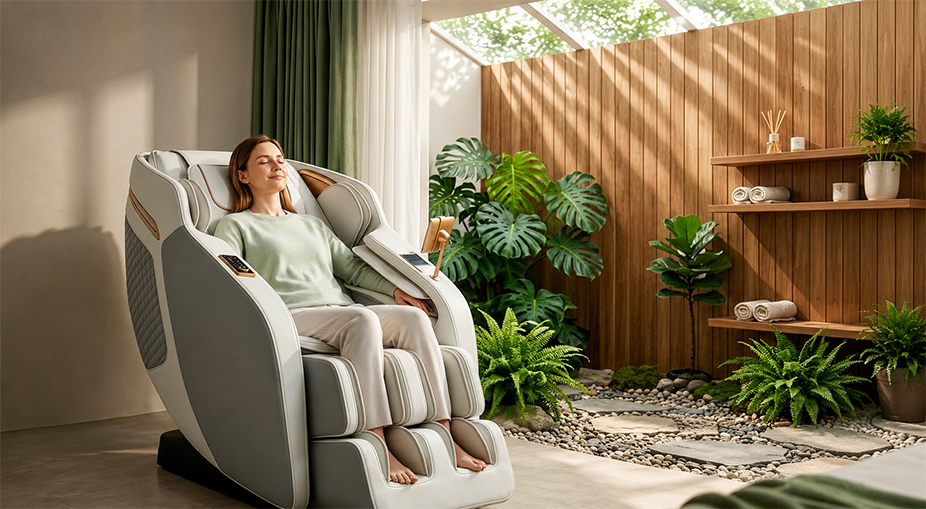
Size matters, but not in the way many people tend to think. A common mistake is buying a chair that provides an expansive range of motion but requires massive clearance from the wall. Many modern units now feature a “zero-wall” technology, where the chair slides forward as it reclines, saving you valuable floor space.
If the model you are considering requires several feet of empty space behind it to function, it probably isn’t the function, it probably isn’t the right fit for a modern, efficient homer layout.
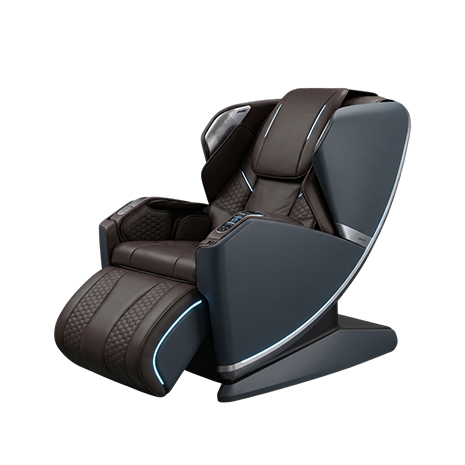
Furthermore, consider the aesthetic impact. A chair should enhance your room, not dominate it. Many older or lower-quality designs look like industrial equipment. In 2026, popular designs focus on sleek lines and high-quality synthetic materials that blend with modern decor.
If the chair looks out of place in your living room or bedroom, you will eventually resent its presence. Choose a unit that balances powerful internal mechanics with a sophisticated space-saving exterior.
4. The Routine Customization is Too Rigid
Artificial intelligence should mean adaptability. If a chair only offers pre-set programs like “Morning Refresh” or “Deep Tissue” without allowing you to tweak the details, it is not a truly smart machine.
You need the ability to adjust roller speed, air compression intensity, and heat levels on the fly. Everyone has days where they need more focus on their calves or less pressure on their lower back.
A red flag is a system that locks you into a sequence once it starts. Modern AI should allow for real-time adjustments. If the machine detects that your muscles are particularly tight in one area, it should offer to extend the time spent on the zone.
If the software feels rigid or unresponsive to your input, it won’t provide the long-term utility you need. Look for a system that offers “manual override” features alongside its intelligent suggestions, giving you total control over your experience.
5. It Ignores Modern Connectivity and Data
By 2026, a stand-alone appliance is a relic of the past. If the chair does not connect to the cloud for software updates, you are buying a product that will be obsolete within a year. New relaxation techniques and mechanical sequences are developed constantly.
Your chair should receive these updates automatically, ensuring that the hardware continues to perform at a high level as technology advances. Additionally, the chair should communicate with your other smart devices. Does it dim the lights when you start a session? Does it play your favorite ambient sounds through built-in speakers?
If the chair operates in a vacuum, disconnected from the rest of your smart home, you miss out on the immersive experience that defines modern sophistication. A lack of connectivity suggests that the manufacturer focused on basic mechanics rather than a holistic approach to well-being.
Making the Right Choice for Your Future
Buying an AI massage chair is a significant decision that impacts your daily comfort for years to come. By avoiding units with poor scanning, difficult interfaces, and bulky footprints, you clear the path for a truly rewarding purchase.
Look for a machine that values your physical data and integrates into your digital life. When the technology aligns with your body and your home, the results speak for themselves. Prioritize units that offer modular parts and regular software enhancements.
This ensures your systems stays current and functional. Remember, the goal is to find a tool that removes stress from your life, not one that adds to it through complicated maintenance or lackluster performance. Demand precision, demand connectivity, and demand a design that respects your space.
Summary of Key Features to Seek
To ensure you stay on the right track, look for these specific attributes in your next AI seating system:
- Dynamic Body Mapping: Sensors that adjust to your spine and posture in real-time.
- Space-Saving Design: Features that allow for full recline with minimal wall clearance.
- Wearable Integration: The ability to sync with vitality trackers for data-driven routines.
- Silent Operation: High-quality motors that provide powerful pressure without excessive noise.
- Breathable Materials: Synthetic fabrics that facilitate heat therapy and stay comfortable in all seasons.
Conclusion
The era of the “dumb” massage chair has ended. As you navigate the options available in 2026, keep your personal needs at the forefront of the conversation. Don’t be swayed by aggressive marketing or unnecessary features that don’t contribute to your actual physical relief.
A chair that fails to recognize your body, clutter your home, or lock you into rigid programs is simply the wrong chair. By staying alert to these five signs, you protect your time and your home environment.
The right AI massage chair acts as a reliable partner in your daily routine, providing a personalized sanctuary that adapts as you do. Make an informed choice, and enjoy the benefits of a home that truly understands the value of relaxation.